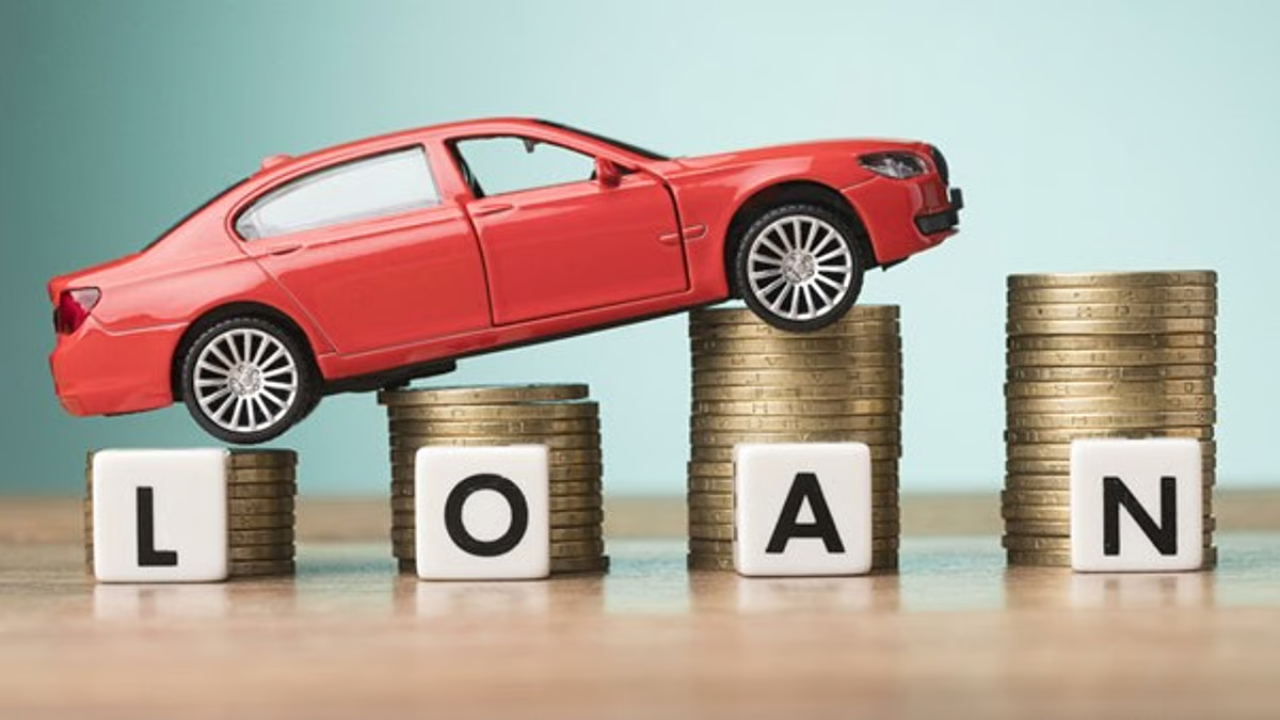
Banks Face Car Loan Cancellations Ahead: As the September 22 deadline for the Goods and Services Tax (GST) rate reduction approaches, banks in India are witnessing a notable surge in car loan cancellation requests. This trend is driven by the anticipation of lower vehicle prices resulting from a substantial cut in the GST rate on passenger vehicles. Industry experts say this shift could reshape the car financing landscape and impact bank strategies in the short term.
Why Borrowers Are Canceling Loans
A senior official from a public sector bank revealed that customers who had already secured car loans are now approaching branches to cancel their approved loans. The primary reason is strategic: borrowers want to purchase their vehicles after the GST rate cut comes into effect, benefiting from lower prices and a reduced loan amount requirement.
Read about: Beware of Fake Loan Scams: Massive Monthly Payments Used to Steal Your Personal Information

Financial Implications of the GST Revision
Lapse of Accumulated Cess
An estimated Rs 2,500 crore of accumulated compensation cess on auto companies’ books is expected to lapse on September 22, when the new GST rates come into force. Presently, automobiles attract a GST rate of 28% plus a compensation cess ranging from 1% to 22%, based on vehicle type.
Post-revision, petrol and diesel cars with engine capacities up to 1,200 cc and 1,500 cc will now attract only 18% GST, while vehicles above this capacity will face a higher GST rate of 40%.
Long-Term Industry Outlook
CBIC Chairman Sanjay Kumar Agarwal highlighted that industry concerns over cess accumulation have been raised through various representations. While the immediate impact is a surge in cancellations and deferred demand, experts predict a gradual market stabilization once the new rates are in place.
Also read: Geely EX5 Review: The New £32k Electric SUV Rivalling Skoda Enyaq in the UK
FAQs
1. Why are car loan cancellations rising before September 22?
Car loan cancellations are rising because consumers aim to benefit from the upcoming GST rate cut on passenger vehicles. The reduction from 28% to 18% lowers the vehicle price and consequently the loan amount needed, making it financially smarter to wait until the new tax rates are effective.
2. How does the GST cut impact car prices?
The GST cut applies to petrol and diesel cars with engine capacities up to 1,200 cc and 1,500 cc, reducing the tax from 28% to 18%. This significantly lowers the total tax incidence on the vehicle, leading to cheaper purchase prices and making car ownership more accessible for consumers.


One thought on “Banks Face Car Loan Cancellations Ahead of September 22 GST Rate Cut-Off Date”